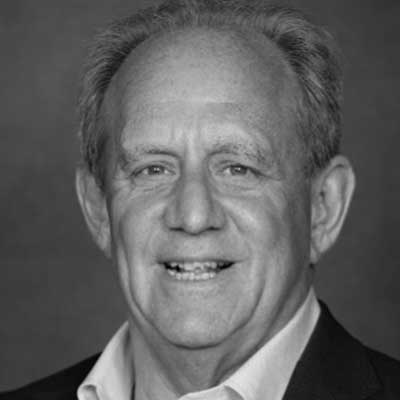
This week we sit down with Steven Plump at RBB Fund to discuss the company’s support of the active ETF market.
RBB Fund is the oldest and among the largest Series Trust providers in the US. The firm provides asset managers with a turnkey solution as they look to enter the ETF market. For those that are unaware, what specific services do you provide asset managers?
RBB is an open-architecture, cost-sharing platform, independent from any bank sponsor or service provider - unlike any within the industry. We negotiate with and oversee the various service providers on behalf of our clients, including but not limited to administration, custody, legal, insurance and fund compliance. Additionally, we will navigate our clients’ ETFs to market, quarterbacking the project to ensure a timely and easy launch process.
Over the last few years, active ETFs have become an area of growth for the ETF industry. Based on your role and client conversations, what have the catalysts been and what needs to happen for the industry to continue to grow?
The acceptance of active ETFs within the marketplace continues to be embraced by both asset managers as well as allocators utilizing them. The biggest catalyst for this has been the tax-efficiency of the ETF structure. This year has seen ETFs takeover Mutual Funds in asset allocation models for the first time ever, and we are starting to see broker-dealers rolling out active ETF recommended lists.
It’s interesting to note that the mutual fund is celebrating its 100th birthday this year. However, it wasn’t until the 1980s (nearly 60 years into its lifespan) that it was broadly embraced by investors. We believe we are still in the early innings for active ETFs and that investor acceptance will accelerate much quicker than what we witnessed with mutual funds.
RBB Fund has supported several actively managed asset managers launch new ETF businesses. What, if any, additional considerations should a firm be aware of as they work through market entry as an active manager?
We believe the number one factor in a successful ETF launch is AUM and seed capital. FUSE Research recently published a report showing that there is a high correlation between the initial/early AUM growth and success. It’s crucial to have a sales, marketing, and public relations plan and to dedicate the appropriate resources. With over 3,000 ETFs now in existence, issuers need to craft a message that stands out.
It should be noted that one-size does not fit all; each strategy is different, and a plan should be customized accordingly. It is also important to note that many large distributors will require a minimum track record and AUM level before they will even consider adding a new product.
A trend that we continue to see is the conversions of a mutual fund and/or SMA accounts into ETFs. What do you believe is driving this trend and how can RBB Fund assist in these conversions?
Quickly getting to $100 million is critical to the long-term success of a new ETF and opens the door for RIAs or institutions to make larger allocations. Converting a mutual fund or SMAs enables firms to achieve scale on day one - a significant hurdle when looking at successful ETFs within the marketplace.
RBB has experience in converting mutual funds as well as SMAs under section 351 of the IRS code, and in what might appear to be an overwhelming process, our team can make this simple because we know what to do. We see this trend continuing. We have also observed that many large RIAs are looking to convert part of their SMA business to their own ETFs, creating operational efficiencies and potentially offering their strategy in a lower priced and more tax efficient structure.
Lastly, what guidance would you provide sponsors as they consider expanding their product offer to include actively managed ETFs?
DO IT! ETFs are a superior structure for taxable clients. Get educated and learn as much as you can. Collectively, people within the industry are very helpful. There are many great ETF conferences and working groups to learn from - starting with the team at the NYSE! Take advantage of them and make sure to learn about their ETF education programs---ETF Central & the Certified ETF Advisor (CETF ®) designation. Think carefully about product design and whether it makes sense to offer the same strategy in a mutual fund and ETF or to differentiate your offering. Early on you should talk to potential key distribution partners so you understand how they view actively managed ETFs. Active ETFs are here to stay, and we expect to see substantial AUM growth in the coming years.